TICKETS
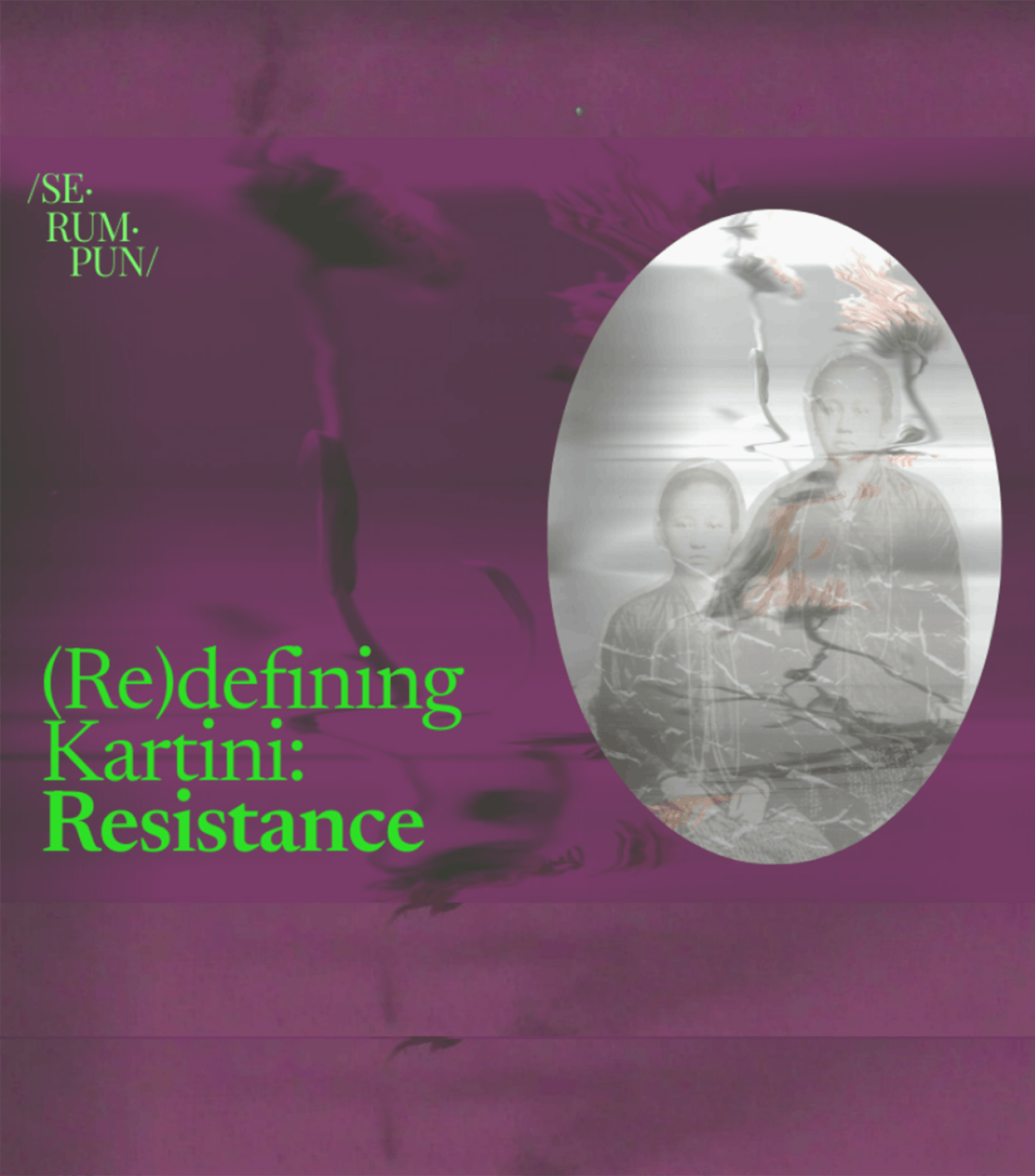
(Re)defining Kartini: Resistance is the 2nd edition of the interdisciplinary cultural program by Serumpun Kolektif in commemoration of ‘Kartini’ (1879-1904) — an unwavering catalyst for women's rights and education who was a vocal advocate for gender equality in the 19th / early 20th centuries in Indonesia. The program, which puts women at the center of its discourse, weaves critical dialogue, photography exhibition, performances and communal dining in one evening of inspirations and exchanges.
For this year’s theme Resistance, Serumpun Kolektif invites female academics, artists and cultural practitioners of Indonesian roots to share their stories and visions about grassroots resistance; what it means in today’s world and how it takes shapes in different forms — from contemporary activism, diaspora engagement and digital mobilization.
Historical context: Kartini
Kartini Day, celebrated in Indonesia on April 21st, honoring Raden Adjeng Kartini (1879-1904). Kartini was one of the first women to enter the Eerste Klas School voor Europeanen in Jepara in 1885. A visionary far ahead of her time, Kartini soon developed a rebellious attitude against the strict hierarchical Javanese etiquette, while also being critical of colonial relations and racial prejudice from the Dutch colonial era. Her fervour was seen through her articles opposing polygamy and child marriage published Dutch magazines under the pseudonym ‘Het Klaverblad’, her 106 correspondence letters to the Dutch Department of Education and the home-school for girls she ran at her hometown. Indonesians commemorate her legacy through cultural events, speeches, and traditional dress parades, particularly in schools.
Time schedule & collaborators
|
Time
|
Program
|
|
16.00 - 17.30
|
- Walk-in and museum visit for ticket holders
- Welcome drinks by Djamu Djamu
|
|
17.30 - 18.00
|
Welcome audience
|
|
18.00 - 19.00
|
Panel talk I: Grass Roots Resistance and Activism
with Dr. Yatun Sastramidjaja
|
|
19.00 -19.15
|
Music Performance: Annabel Laura
|
|
19.15 - 20.15
|
Panel talk II: Art as a Form of Resistance
with Annabel Laura & Lesila Otgaar-Kunu from “Silat Sisters”
|
|
20.15 - 20.30
|
Performance: Lesila Silat Sisters
|
|
20.30 - 22.00
|
Communal dining
By Cafe Warung Pas
Music (DJ)
|
|
Throughout the event
|
Photo exhibition on the women-led grass-root resistance against mining companies in Serawai
By Nyimas Laula
|
Collaborators
Dr. Y. M. (Yatun) Sastramidjaja
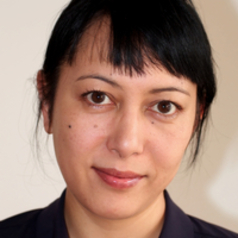
Yatun Sastramidjaja is Assistant Professor in Anthropology at the University of Amsterdam, where she also obtained her PhD and Master’s degrees in Anthropology. Previously she held research and teaching positions at the Erasmus University Rotterdam. Yatun’s main research interests include youth and student activism, democratisation and digital technologies, political culture and citizenship, and popular cultures in Indonesia and more broadly Southeast Asia in a transnational context.
Annabel Laura
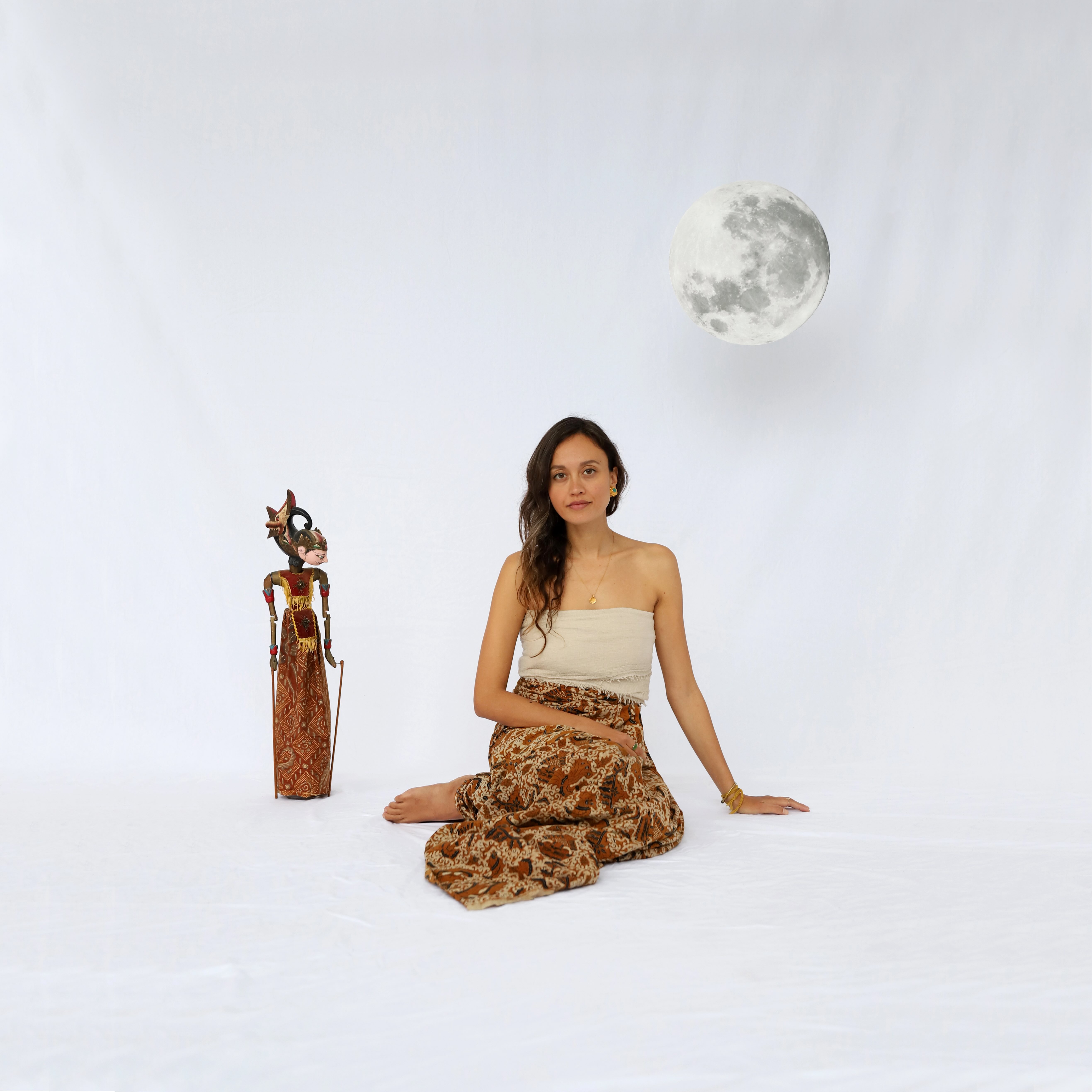
Annabel Laura is a Dutch-Indonesian musician and artist. Her music combines personal stories with stillness, drawing from her Indonesian heritage and her life in the Netherlands. She creates a space where reflection, tradition, and intuition come together, both in her recordings and in live performances.
Her latest album, Java Moon, blends Western folk-pop with ambient and traditional Indonesian instruments. The album was written and recorded during a six-month journey through Java and Bali. Here she reconnected with her roots and allowed the land, people, and soundscapes to shape her process. She describes the album as “a tribute to the subconscious and the ancestral legacy etched into body and spirit.”
Annabel is self-taught and takes care of every part of her music herself, from writing and arranging to production. This makes her work deeply personal. Next to her solo work, she creates and tours with her multinational all-female Wayang Kulit collective 'The Wayang Women'. Their performances bring female ghost figures from Southeast Asian folk tales to life through shadow play, live music blending traditional instruments with electronic soundscapes, and original spoken word poetry. The troupe is rewriting the story of Wayang Kulit by changing gender norms and putting women at the forefront. Annabel has performed worldwide: across Europe, the UK, South-America, and Southeast Asia.
Lesila Otgaar-Kunu (Silat Sisters)
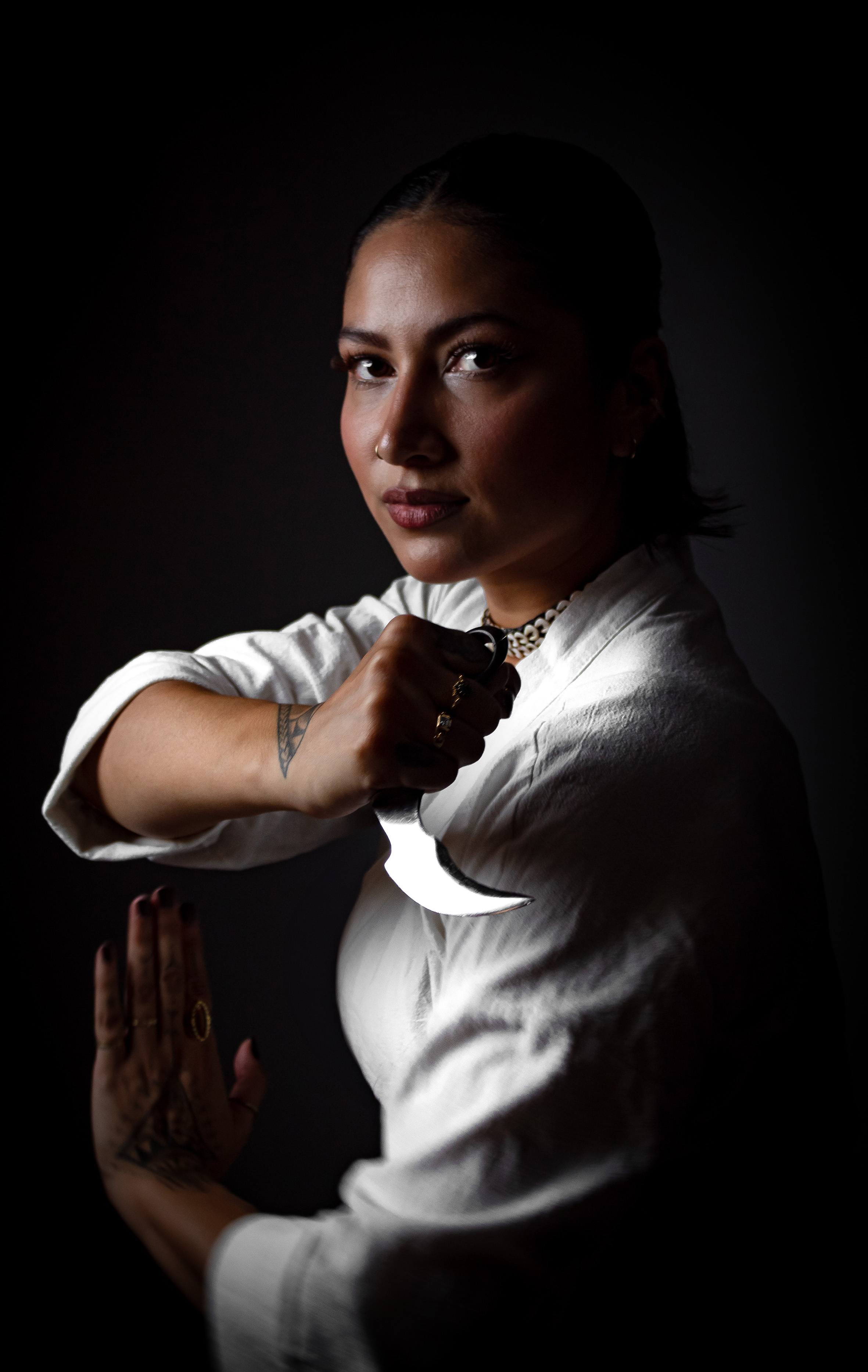
Lesila Otgaar-Kunu (35) has Moluccan roots and has been practicing Pencak Silat for over twenty years at the Pencak Silat school: Panca Sila in Maastricht. Together with Aisa Senen, she formed the Silat Sisters. Over the years, they have continued to develop their practice by shaping their own style.
Recently, they have also been deepening their practice in Cakalele, the traditional Moluccan martial art. Through their work as the Silat Sisters, they continue to evolve while striving to preserve and carry forward the skills and cultural heritage of Moluccan and Indonesian martial arts.
Nyimas Laula
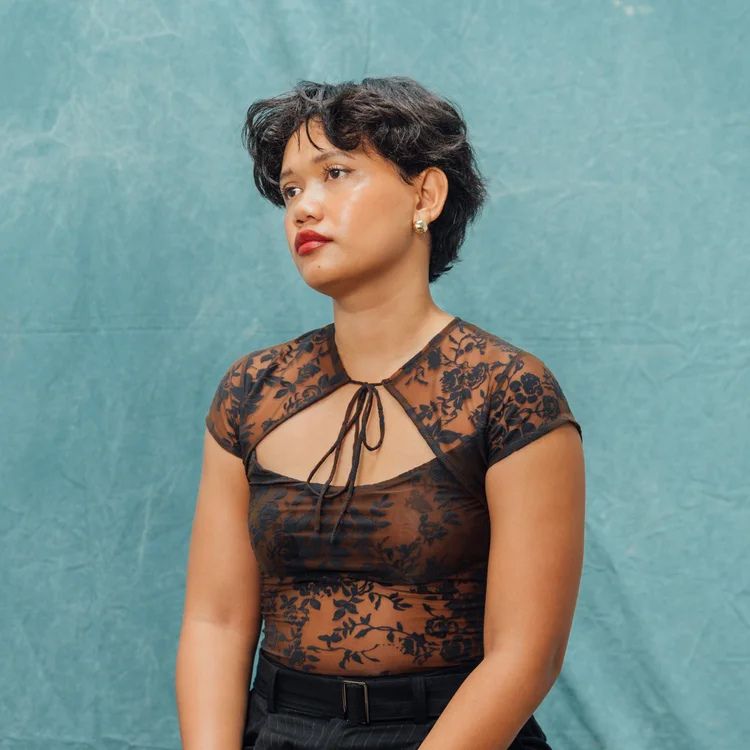
Nyimas Laula is an Indonesian photojournalist whose works focus on environmental and human rights issues across the country. She began her journey in 2015 and has since worked with Reuters, The New York Times, The Wall Street Journal, National Geographic, Vogue, Bloomberg, among others.
In 2015, Nyimas documented the arrival of Rohingya refugees in Aceh and covered one of the worst forest fires in the country's history for Greenpeace. For six months in 2019, Nyimas followed the trail of plastic pollution on the island of Bali, documented the initiatives which begin to arise to tackle the issue. Nyimas’ work was displayed on a collective exhibition by UNDP on Far-Reaching Fallout of COVID-19 at Photoville in Brooklyn, NYC, 2020. Her ongoing work 'INSIDE' has traveled to Photoville in New York City, Hong Kong Press Club in Hong Kong, Jamii Esplanade in Toronto, Canada. In 2021, she co-directed a documentary film series about the impact of COVID-19 on the community of coconut sugar farmers in Central Java, Indonesia.
Nyimas Laula is currently in Bali, Indonesia, and is available for news, editorial, documentary, and commercial assignments globally. https://www.nyimaslaula.com/about
Cafe Warung Pas
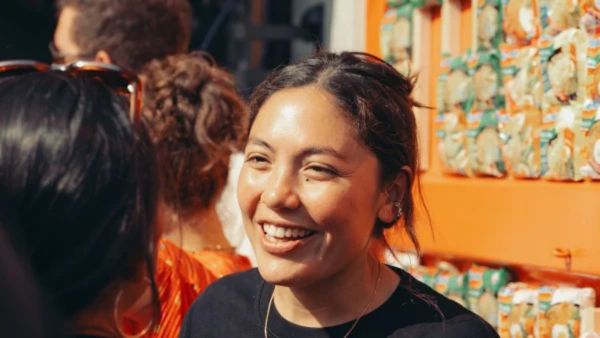
During the pandemic, Chef Petra Moerbeek turned to cooking as a way to stay connected in a time of isolation. What began as @indo_ricebowl (a side project to share comforting Indonesian flavors) eventually grew into a community of Indo food lovers. As demand grew, so did the dream of creating a real gathering place. The opportunity came when she launched a pop-up restaurant at Noordwal 1, inside Sexyland World. There, she built something special: a place where people could come together over authentic Indonesian food, make connections in a warm, welcoming atmosphere.
Pandan Bar
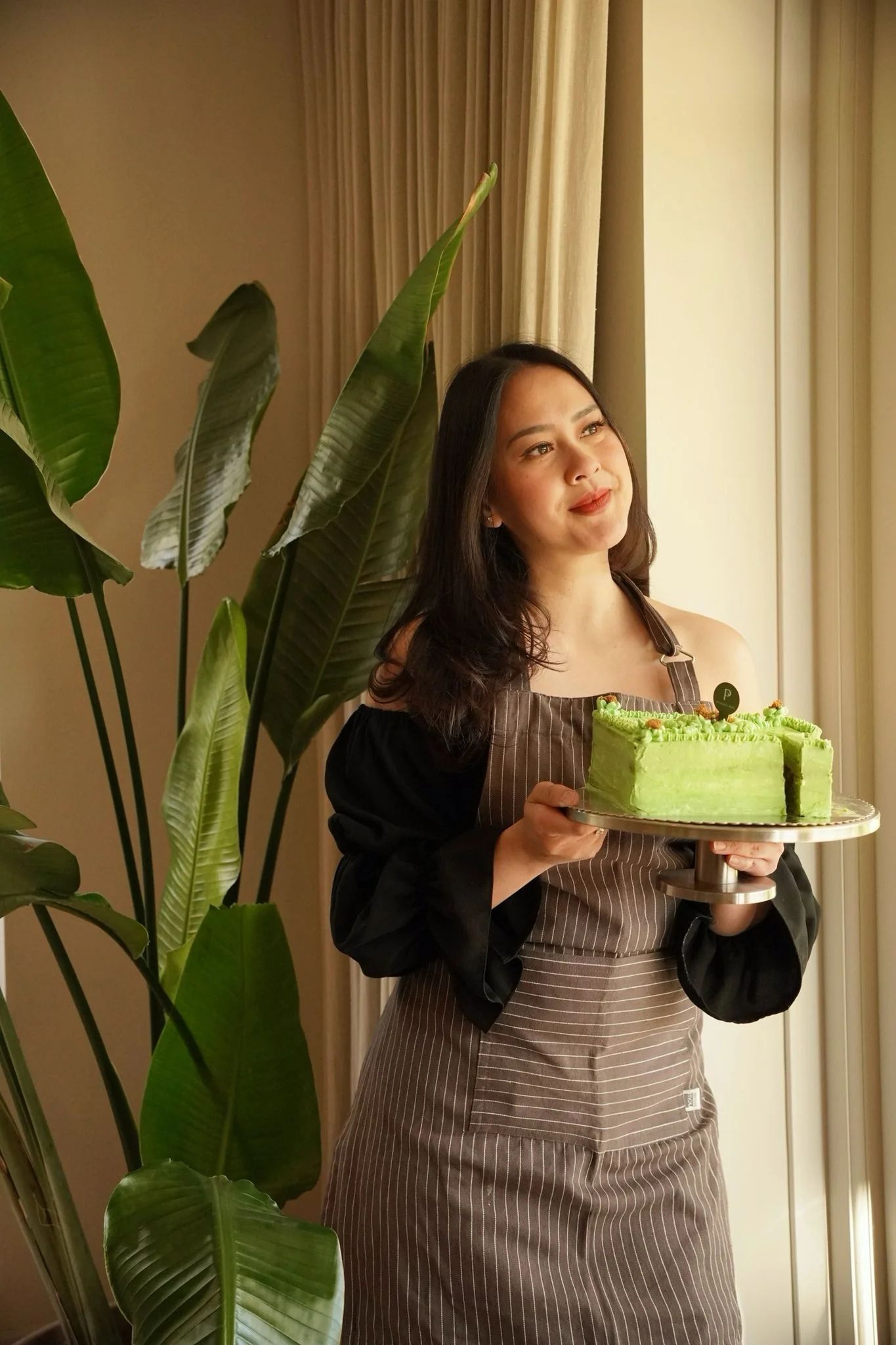
Bella is the founder of Pandan Bar, a project that began as baking for her Dutch family and friends and grew into a passion for sharing Indonesian flavors with a wider audience. More than a bakery, Pandan Bar is a platform for storytelling through dessert—blending Indonesian heritage with contemporary European presentation. Through meaningful collaborations with conceptual cafés and restaurants, Pandan Bar aims to make pandan a staple flavor within the European culinary landscape. Each creation invites people closer to the flavors of her roots and the place she calls home.
DjamuDjamu
In 2024, Leidya started Djamu Djamu in Amsterdam, a modern ode to Jamu that bridges the past and the now. Its flagship drink, Golden Turmeric (inspired by the classic "Kunyit Asem"), is a blend of turmeric and tamarind, refreshing and deeply rooted in tradition. Leidya also shares the tradition through monthly workshops. These workshops are hands-on, a chance to connect with the heart of Jamu and bring its essence into your own kitchen.